Loading...
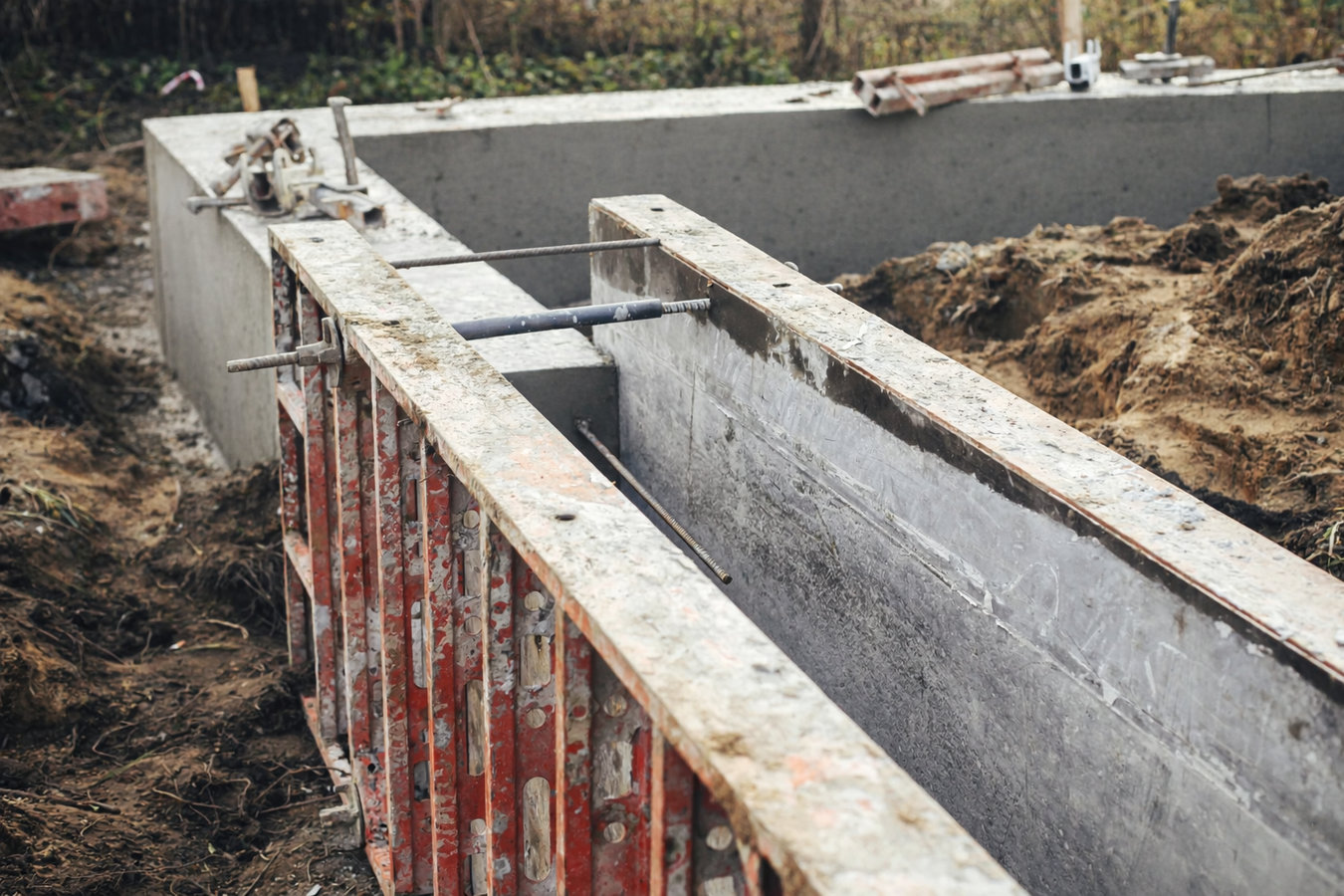
Sunken stoops, uneven garage floors, or a foundation that has dropped after a hard Maine winter? We lift it back to level - fast, clean, and with the permits handled from the start.
Sunken stoops, uneven garage floors, or a foundation that has dropped after a hard Maine winter? We lift it back to level - fast, clean, and with the permits handled from the start.
Foundation raising in Portland, ME is the process of pumping a material - either an expanding foam or a cement-based grout - through small holes drilled into a sunken slab to fill the void underneath and lift the concrete back to level; most residential jobs are completed in a single day with foam curing in about 15 minutes per injection and minimal disruption to your home.
Portland homeowners run into foundation settlement more often than those in warmer states, and the reason is straightforward: freeze-thaw cycles. Every winter, water soaks into the soil beneath your foundation, freezes, expands, and shifts the ground. Over years, that movement erodes the support under your slab. Foundation raising in Portland addresses the result of that process without tearing out and replacing the existing concrete, which makes it faster and far less expensive in most cases.
If an assessment finds the concrete itself is too deteriorated to raise safely, our foundation installation service covers the replacement path with a properly engineered new system.
If a door that used to swing freely now drags on the floor, or a window no longer latches properly, your home's frame may be shifting because the foundation underneath it has moved. In Portland's older homes this is often the first sign homeowners notice - especially in spring after a hard winter of freeze-thaw cycles working on the soil beneath the house.
Walk around the outside of your home and look where the foundation meets the siding or framing above it. If you can see a gap that was not there before, the foundation has likely dropped or shifted. This is especially common in Portland homes built before 1960, where the original soil preparation may never have been adequate for long-term stability.
Small hairline cracks in concrete are normal and usually harmless. But if you notice a crack wider than a pencil tip, running diagonally, or visibly larger than it was last year, that is a sign of active movement. Take a photo and measure it - if it is growing, it needs attention before the next winter adds more stress to an already shifting foundation.
Portland gets significant rainfall and heavy spring snowmelt, and if water consistently collects against your foundation rather than draining away, it is slowly eroding the soil underneath. Damp spots on a basement floor, or puddles that linger near the house for days after a storm, signal a drainage and settlement problem that will get worse if ignored.
We handle foam injection and traditional grout-based raising for residential foundations, garage floors, stoops, front walks, and perimeter walls throughout the Portland area. The assessment visit is free and includes an honest evaluation of whether raising is the right fix or whether the concrete is too deteriorated to lift safely. We explain the method we recommend and why before any work is agreed to. For jobs where raising is appropriate, the crew drills small holes at measured intervals, injects the lifting material, monitors the lift in real time, and patches the holes cleanly before leaving your property the same day.
We pull permits from the City of Portland's Inspections and Permitting Division when the scope requires one, and we coordinate any city inspection so you do not have to manage that step. After the lift, we review drainage conditions and tell you clearly what needs to change to keep the repair from repeating. If any sections of the raised slab turn out to need cutting and patching, our concrete cutting service handles that follow-on work as part of the same project.
Best suited for homeowners who want minimal disruption and fast results - foam cures in about 15 minutes, requires fewer holes, and puts less stress on surrounding soil than grout-based methods.
The traditional method using a cement-grout slurry pumped beneath the slab. Well-suited for larger surface areas and situations where the extra weight of the material helps stabilize loose or washed-out soil conditions.
For homes where one side of the foundation has dropped relative to the other - common in Portland neighborhoods with sloped lots or high water tables near Casco Bay and Back Cove.
Raising a foundation without fixing the drainage problem that caused it to sink is a temporary fix. Every job includes a review of grading and water flow conditions so the lift has the best chance of holding long-term.
Portland sits on a peninsula surrounded by Casco Bay, and that geography shapes everything about how foundations behave here. High water tables in lower-lying areas near the waterfront and Back Cove keep soil saturated for long stretches of the year, which accelerates erosion under slabs. Add in freeze-thaw cycling that swings above and below freezing dozens of times between November and March, and you have conditions that cause more foundation movement per year than almost anywhere on the East Coast. Homeowners in South Portland face similar conditions, especially in neighborhoods built close to the water where tidal fluctuations affect soil saturation year-round.
A large share of Portland's housing stock was built before 1950, including the dense neighborhoods of Munjoy Hill, the West End, and Deering Center. Many of these homes were built on foundations that predate modern drainage standards, set on soil that was never properly compacted. The result is that foundation raising is not a rare repair in Portland - it is a routine one, and an experienced contractor will approach it with that context in mind rather than treating every job the same. Homeowners in Westbrook with older homes on clay-heavy soils also see settlement patterns that benefit from the same diagnostic approach we use on Portland properties.
We respond to all inquiries within one business day. When you reach out, we will ask a few basic questions about your home's age, what symptoms you have noticed, and whether any previous foundation work has been done - so the estimator comes prepared.
An estimator visits your property, checks how much the surface has dropped, looks for drainage problems, and assesses whether raising is the right solution. This visit is free and takes 30 to 60 minutes - you will leave with a clear explanation of the findings and the recommended approach.
You receive a written estimate spelling out the method, the number of holes, the total cost, and whether a permit is required. We pull the permit from the City of Portland before work begins - adding a few days to the timeline but giving you an official inspection record.
The crew drills small holes at measured intervals, injects the lifting material, monitors the rise carefully, and patches the holes cleanly. Most jobs finish in one day. Before they leave, we walk you through the result and share any drainage recommendations to protect the repair.
Free on-site estimates. Written quote before any work starts. Permits handled by us - not you.
(207) 245-9716We work in Portland's specific soil and climate conditions year after year - the coastal high water tables, the heavy spring snowmelt near Back Cove, the freeze-thaw patterns that affect foundations in Munjoy Hill and the West End. That local experience shapes the assessment and the repair recommendation in ways a general contractor cannot replicate.
We handle the permit application with the City of Portland's Inspections and Permitting Division on your behalf. That means the completed work has a city inspection on record - which matters when you sell your home or file an insurance claim. Skipping permits is a risk we will never ask you to take.
We will tell you plainly if your foundation is too deteriorated to raise safely - even if that means pointing you toward a larger and more expensive replacement job. Raising a slab that should be replaced only delays the inevitable and costs you money twice. You deserve the honest answer before anyone picks up a drill.
Most residential foundation raising jobs in Portland are completed in a single visit. Foam injection cures in about 15 minutes per zone, so results are visible before the crew leaves. We patch the drill holes cleanly and walk you through the finished surface before the day is over - no return visits needed for most standard residential lifts. National Foundation Repair Association standards guide our process on every job.
Every foundation raising job we take on in Portland starts with an honest assessment and ends with a surface that is level, properly patched, and backed by a clear explanation of what it will take to keep it that way. Call us or submit a request and we will be in touch within one business day.
When a raised foundation reveals cracked or damaged sections that need removal, precise concrete cutting removes the compromised material cleanly before patching.
Learn moreIf assessment shows the foundation is too deteriorated to raise, full foundation installation replaces it with a properly engineered system built to modern standards.
Learn morePortland's outdoor concrete season is short - late spring through early fall is the best window for raising and patching to cure properly. Call today or submit a request and we will get back to you within one business day.